
Understanding the Pink Stuff in Your Bathroom: What It Is, Its Risks, and Prevention Tips
That mysterious pink substance that appears in showers, sinks, and other bathroom areas can be frustrating and puzzling. It often looks like a slimy film or patches of discoloration, and many wonder what it really is, whether it poses any health risks, and how to keep it from coming back. This post will explain the nature of this pink stuff, its potential dangers, and practical ways to prevent it from taking over your bathroom surfaces.
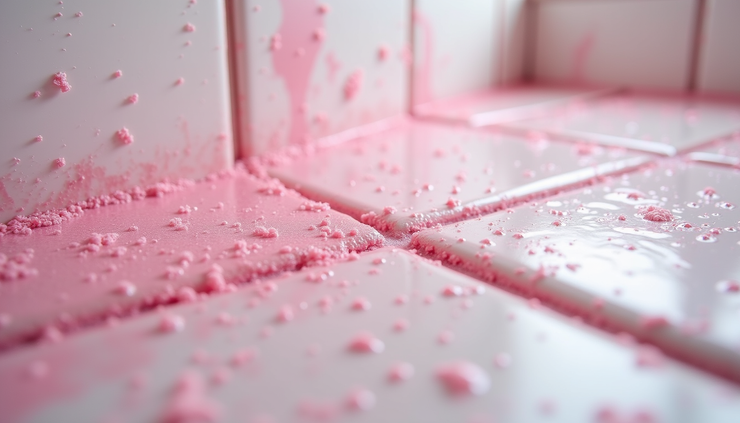
What Is the Pink Stuff in Your Bathroom?
The pink substance is usually a type of bacteria called Serratia marcescens. This bacterium thrives in moist environments, especially where soap residue, shampoo, and other organic materials accumulate. It forms a slimy layer known as a biofilm, which can appear pink, reddish, or even orange.
This bacteria is not a fungus or mold, although it can sometimes be mistaken for them because of its color and texture. It grows on surfaces that stay damp for long periods, such as shower walls, sink drains, toilet bowls, and even on shower curtains.
Why Does It Appear Pink?
The pink or reddish color comes from pigments produced by Serratia marcescens. These pigments help the bacteria survive in wet environments and protect them from sunlight and other environmental factors. The color intensity can vary depending on the surface, moisture level, and how long the bacteria have been growing.
Is the Pink Stuff Harmful?
In most cases, the pink biofilm is not dangerous to healthy individuals. It is primarily a cosmetic nuisance and can make your bathroom look dirty or unhygienic. However, Serratia marcescens can cause infections in people with weakened immune systems or those with open wounds.
Some potential risks include:
Urinary tract infections: The bacteria can sometimes cause infections if it enters the urinary tract.
Respiratory infections: In rare cases, inhaling aerosolized bacteria from showers could lead to respiratory issues.
Wound infections: If the bacteria come into contact with cuts or abrasions, infections may develop.
For most people, regular cleaning and good hygiene practices keep the bacteria under control and prevent health problems.
How to Prevent the Pink Stuff from Growing
Stopping the pink biofilm from forming requires reducing moisture and removing the nutrients that feed the bacteria. Here are some effective prevention tips:
1. Keep Surfaces Dry
Wipe down shower walls, sinks, and faucets after use.
Use a squeegee to remove excess water from tiles and glass.
Leave bathroom doors or windows open to improve ventilation.
2. Clean Regularly with Appropriate Products
Use bathroom cleaners that contain disinfectants such as bleach or hydrogen peroxide.
Clean shower curtains, bath mats, and other fabric items frequently.
Pay special attention to grout lines and drains where bacteria tend to accumulate.
3. Remove Soap Scum and Residue
Soap scum provides nutrients for bacteria, so removing it helps prevent growth.
Use vinegar or commercial soap scum removers on tiles and fixtures.
Rinse surfaces thoroughly after cleaning.
4. Maintain Plumbing and Drainage
Fix leaks promptly to avoid constant dampness.
Clean drains regularly to prevent buildup of organic matter.
Consider installing drain covers to reduce debris accumulation.
5. Use Mold-Resistant Materials
Choose shower curtains and liners made from mold-resistant fabrics.
Use grout sealers to protect tile joints from moisture penetration.

What to Do If You Already Have Pink Biofilm
If your bathroom already has pink biofilm, here are steps to remove it effectively:
Apply a disinfectant cleaner or a diluted bleach solution to affected areas.
Let the cleaner sit for 10-15 minutes to kill bacteria.
Scrub surfaces with a brush or sponge to remove the biofilm.
Rinse thoroughly with water.
Dry the surfaces completely to prevent regrowth.
Repeat this process weekly until the pink biofilm disappears. Regular maintenance afterward will keep it from returning.
When to Seek Professional Help
If the pink biofilm persists despite your cleaning efforts or if you notice signs of infection such as redness, swelling, or unusual discharge, consult a healthcare professional. Also, if your bathroom has severe mold or bacterial contamination, hiring a professional cleaning service may be necessary.


Comments